History of Moroccan Zellige

History of Moroccan Zellige

From the medinas of Morocco to the world

“The word zellige comes from Arabic al-zulaycha — meaning little polished stone. A tradition born in Morocco, perfected over centuries.”

Definition

The word zellige comes from Arabic al-zulaycha that means little polished stone. This word is sometimes written zillij or zellij. This ornamental technique is typical of Maghrebi architecture: how to assemble fragments of glazed terracotta tiles of different colours to create a geometric pattern. Sherds used are sometimes so thin that it is a true ceramic inlay.

Why little polished stone? Because the purpose was to imitate North Africa Greco-Roman mosaics, not by assembling pieces of polished marble (tesserae), but fragments of colored earthenware tiles. It is obvious that this requires less effort to cut a ceramic tile than polishing pieces of marble from distant sources.

The word zellige therefore shares the same etymology with the word azulejo used in Spain and Portugal.
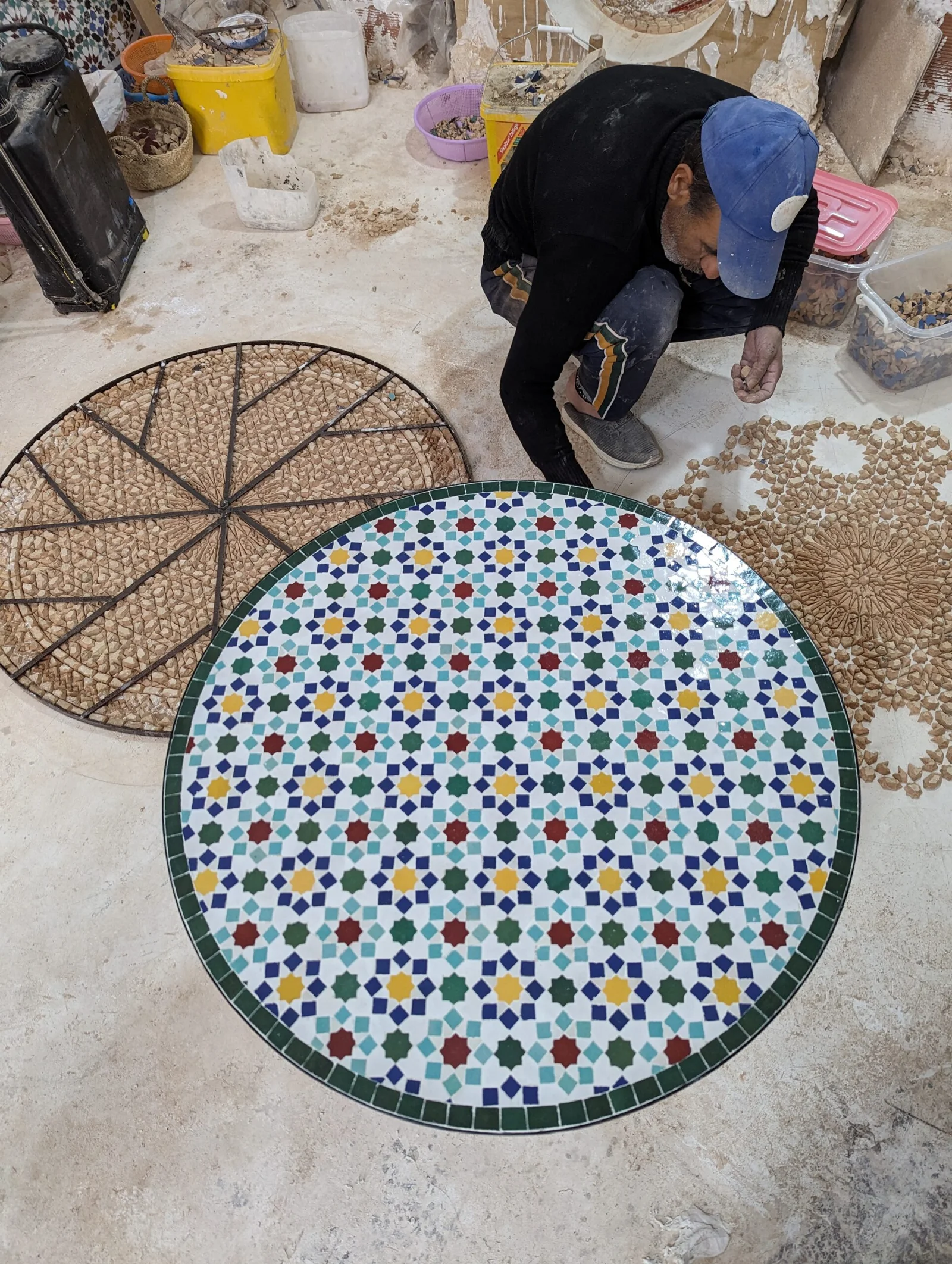
Zellige tile detail

Islamic Art and Geometry

Representation of human beings or animals has often been forbidden in Islamic art. This explains the development of this decorative art governed by geometry. Basic geometrical shapes such as squares, diamonds, triangles, stars, crosses, and other polygons are combined together according to strict mathematical patterns. Thanks to their complementarity, they form patterns that intersect and are repeated endlessly.

Creating zellige patterns is an art that requires expertise in mathematics and geometry. Many books highlight the rules used and their symbolism.
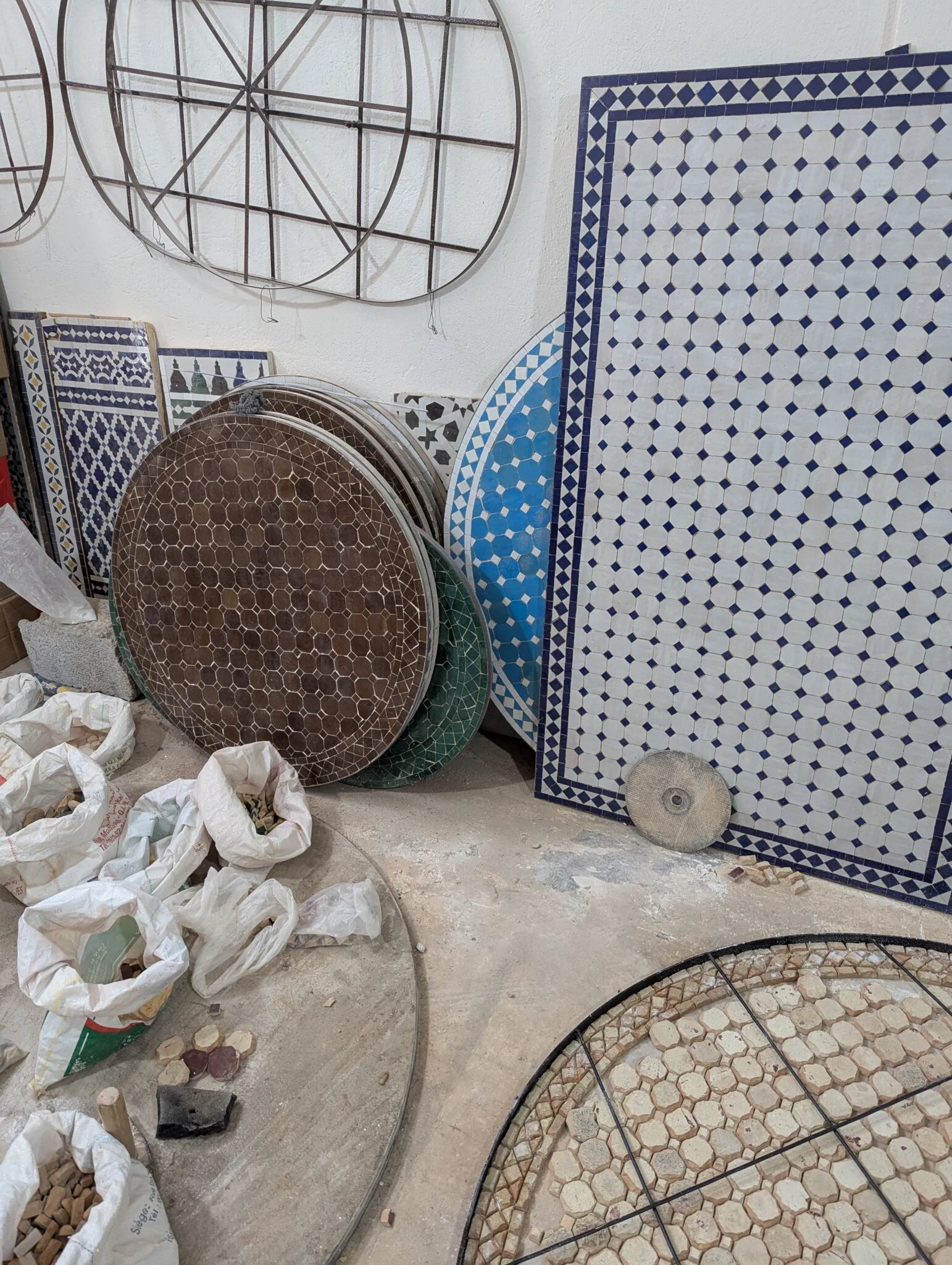
Zellige geometric patterns

The Manufacturing Process

Zellige manufacturing is a work of patience and precision that mobilizes a large and experienced workforce. Terracotta tiles are first glazed on one side. The Persians during the 9th century discovered that tin oxide can turn opaque the glaze of earthenware. This opaque tin glaze allows the manufacture of coloured tiles with the same metallic pigments used to colour glass.

Cutting tiles is done in 3 steps:

  1. The drawing with a brush on the glazed tile of the geometric pattern (square, star, triangle, diamond, etc.)
  2. The manual cutting of the form using a sharp hammer (menqach)
  3. The bevelling of edges with a smaller hammer

The final design is prepared by zellige masters who detail on a drawing how to assemble the shapes and colours. The cut shards are combined face down on a smooth floor, with the finest possible joints. When assembly is completed, all the tesserae are fixed by mortar in which iron rods are sealed to ensure solidity. Once the mortar is dry, the plate is raised and fixed on the walls.
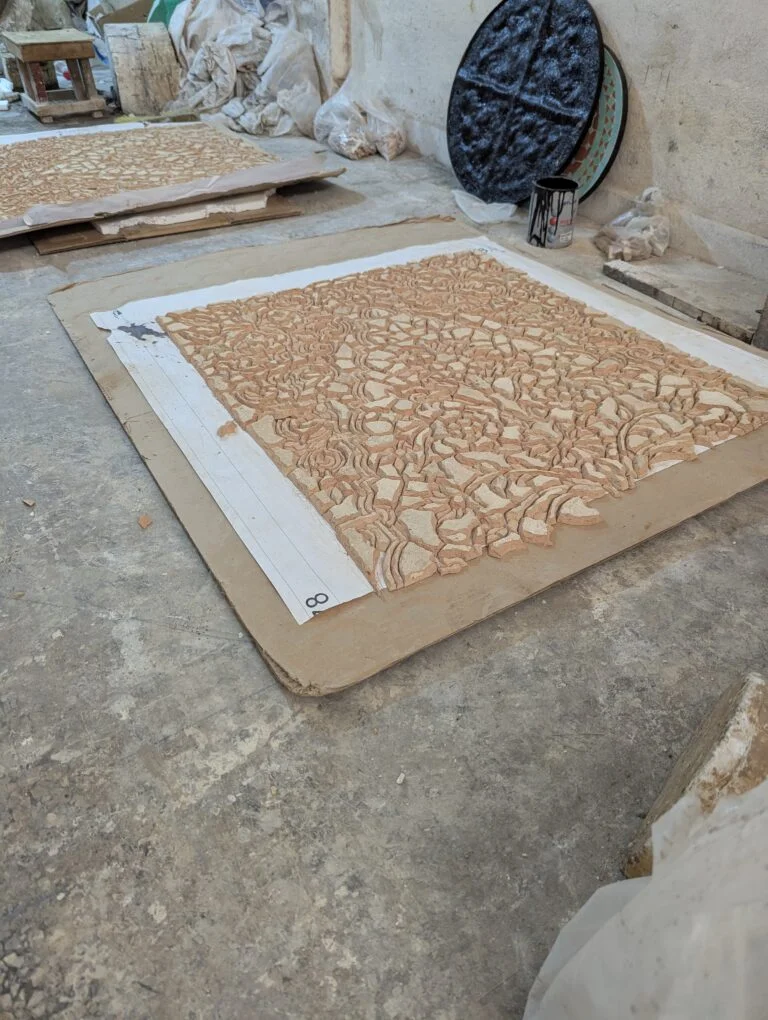
Zellige manufacturing process

Discover Our Zellige Collection

Each tile handcrafted in Fez by master artisans

SHOP ZELLIGE TILES

Merzouga: Beauty of Camels and Sand Dunes That Offer Healing to Visitors

Merzouga

Beauty of Camels and Sand Dunes That Offer Healing

📍 Southeastern Morocco

“A desert region that encompasses everything extraordinary — from breathtaking beauty to healing sands, from camel caravans to pink flamingos.”

Discovering Merzouga

It is a desert region that encompasses everything that can make a desert an extraordinary place, from beauty to Camels, along with the warmth of its sands that offer healing for people.

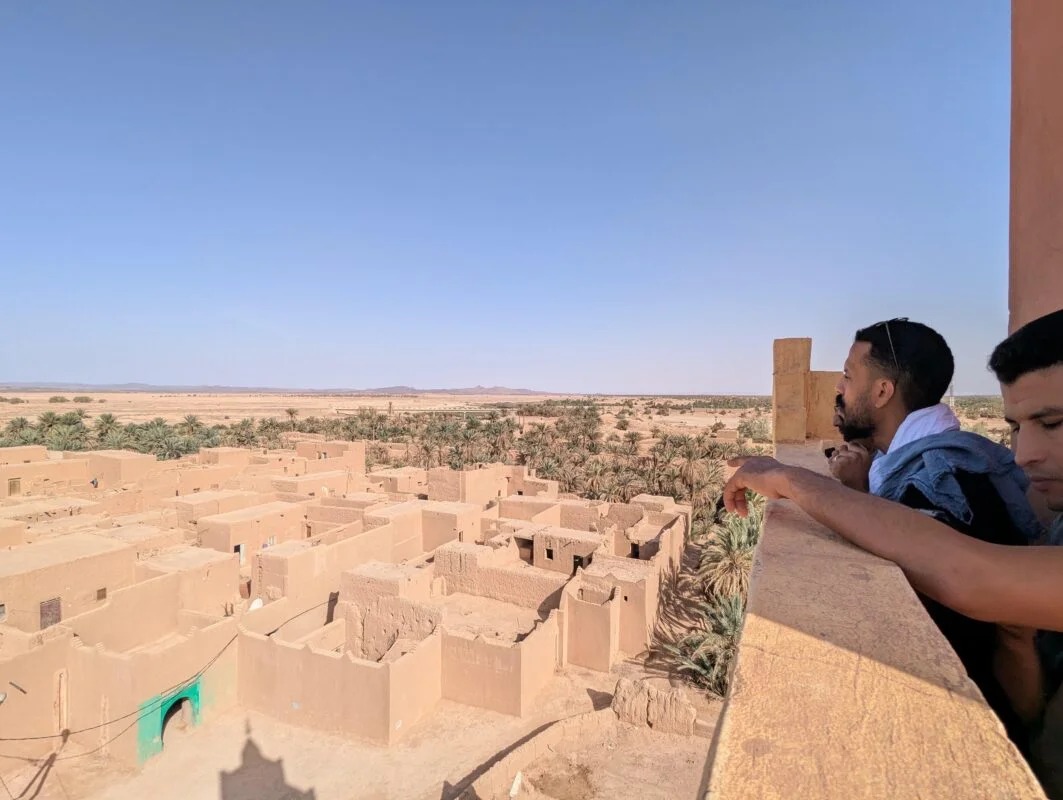
This is the town of Merzouga, famous for its vast desert sands stretching as far as the eye can see. It is located in southeastern Morocco, about 130 kilometers from Errachidia and around 50 kilometers from Erfoud.

In the past, the area was not inhabited, only later becoming a transit point for traders heading to or coming from Timbuktu in Mali. Merzouga gained fame when it became a haven for nomads from the Ait Atta Berber tribes, who eventually settled and invested in it, turning it into a premier tourist destination.

Now, Merzouga’s reputation has spread across the globe, attracting tourists from all over the world seeking the desert paradise, whether for relaxation or healing.

Merzouga desert landscape

Getting to Merzouga

You can reach Merzouga directly by land, via public buses from Casablanca, or by air from Casablanca to Errachidia, which serves as a main transit point to the area. From there, you can continue by land in a taxi towards Merzouga.

Accommodation

The accommodation in Merzouga is inspired by the region’s rich nature. Most stays here consist of fully equipped tents, some luxurious, and others affordable for all societal levels.

Merzouga also has a few traditional riads that strive to provide visitors with all the comfort they need for an unforgettable journey. Prices range from 300 MAD per night to 1500 MAD, depending on the visitor’s preferences.

Merzouga accommodation

What Does Merzouga Offer?

🌅

Desert Sunrise

Wake up behind massive sand dunes reaching 150 meters in height

🐪

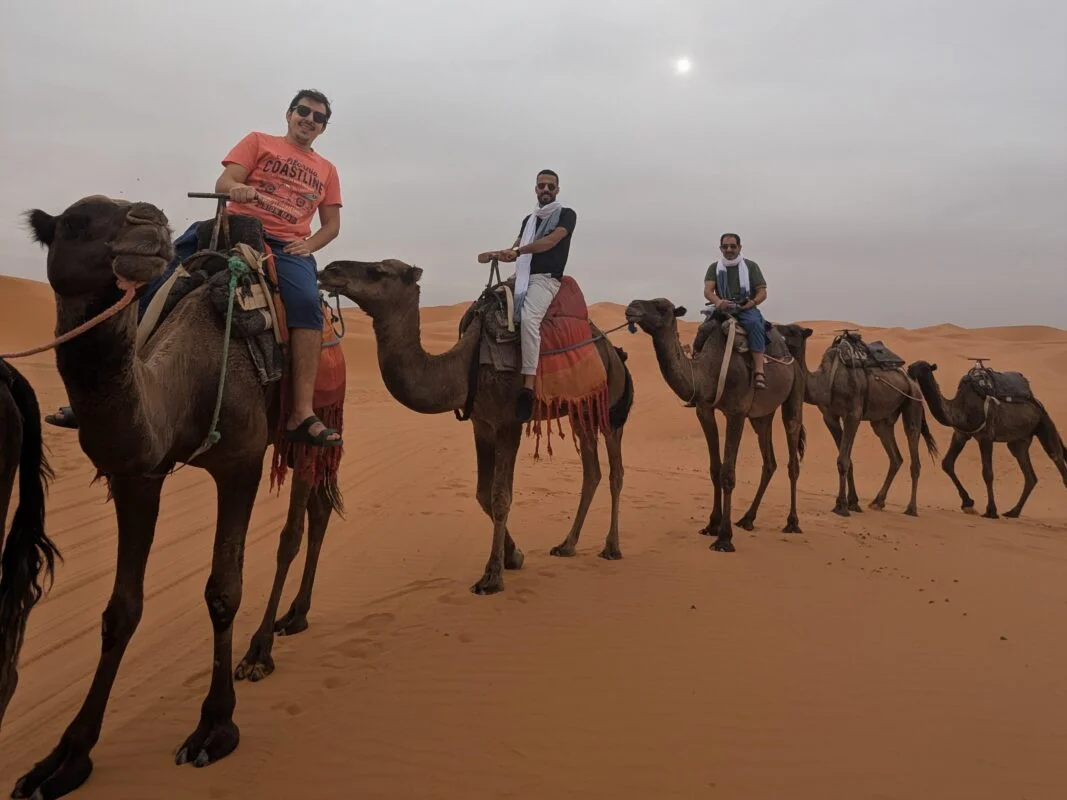
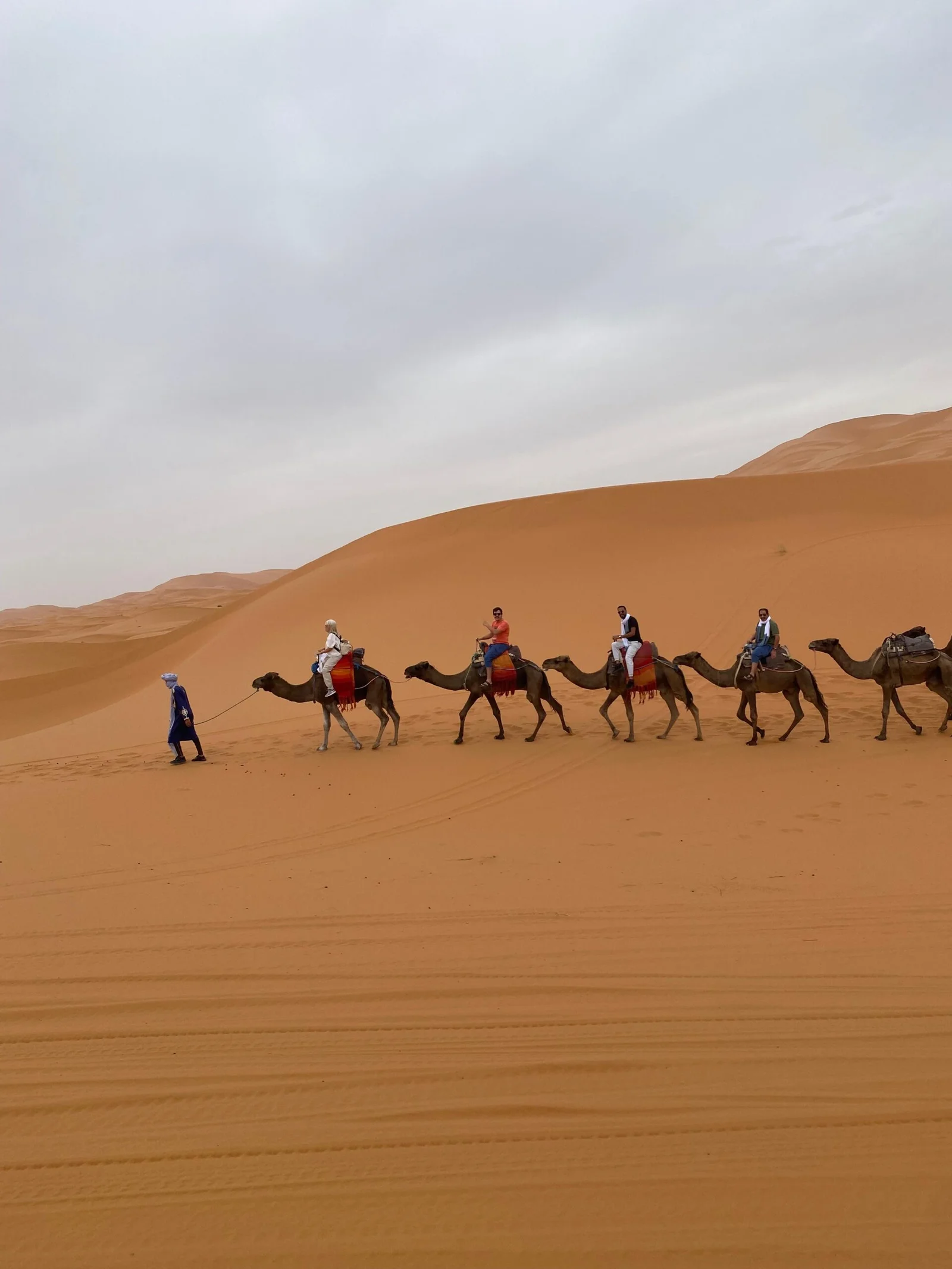
Camel Tours

Explore the desert sands on camelback with local nomad guides

🦩

Dayet Srij Lake

Pink flamingos, black storks and Barbary falcons from November to April

🏂

Adventure

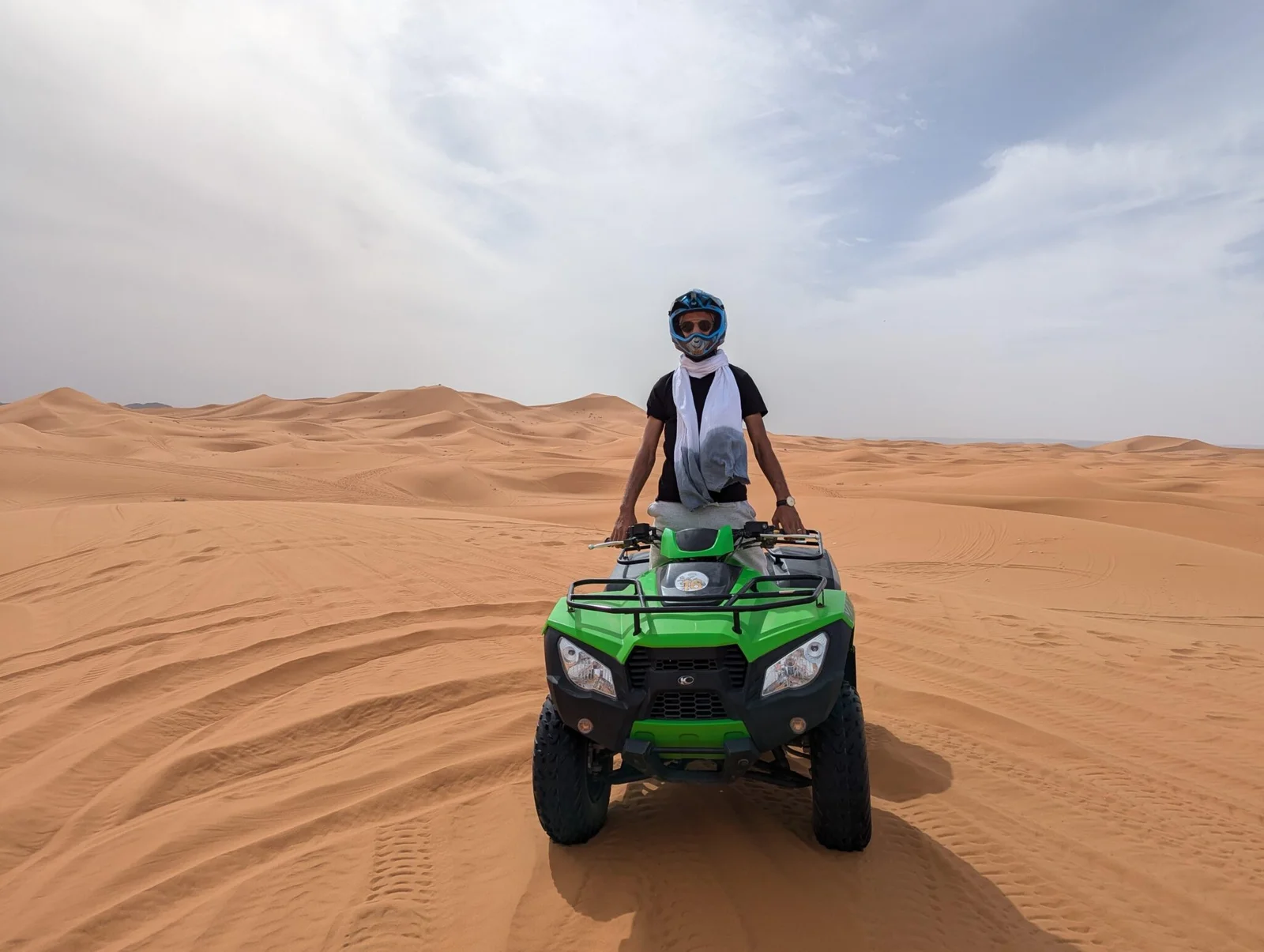
Quad bikes, sandboarding and paragliding over Erg Chebbi dunes

In the morning, you will be greeted by the desert sunrise after a night spent in one of the camps. The sunrise reflects off the dunes, casting natural artistic shadows that captivate the soul.

After breakfast, followed by a unique local tea, you can meet the nomads, learn about their traditions, and explore the desert sands on camelback tours.

During migration season, from November to April, Dayet Srij Lake becomes a haven for diverse wildlife — swallows, pink flamingos, larks, quails, black storks, and Barbary falcons in a breathtaking natural scene.

Merzouga activities

Sands That Heal

“With the rising temperatures that heat the sands, tourists flock to seek relief from various joint ailments in the heart of the dunes. This is no myth — thousands have recovered from joint pain after an unmatched sand bath.”

If the allure of Merzouga’s beauty and excitement draws visitors year-round, then summer is the ideal time for those who have heard of the healing properties of its hot sand baths.

The burial process, known locally as ‘redm,’ lasts between 10 and 15 minutes. During this time, a supervisor offers small sips of water to prevent dehydration. For the locals, preparations begin early in the morning to ensure the pits absorb more heat from the sun.

Once the burial process is over, you are pulled out and wrapped in a wool blanket to avoid cold drafts. Afterward, you are taken to a nearby tent to relax and drink a hot herbal beverage to promote sweating.

In 2023, the travel platform Time Out ranked Merzouga third among the top 30 tourist destinations worldwide.

Merzouga sand dunes

A Unique Culinary Experience

Merzouga presents a culinary art that requires special knowledge and expertise. Here, you can taste the region’s staple vegetable tagine, as well as pastries made from dates and delicious barley semolina with camel milk.

However, the dish that Merzouga is most famous for is the ‘Madfouna’ — a bread stuffed with camel meat, herbs, onions, and various spices, all cooked in a sand oven.

Merzouga cuisine

“Merzouga is truly a mix of tranquility, magic, excitement, healing, and unique cuisine. A true legend that stays with you even if you don’t stay with it.”

Bring Morocco Into Your Home

Handcrafted zellige tiles from the artisans of Fez

DISCOVER OUR COLLECTIONS →